Source silk screen printing cosmetic packaging tube for Cosmetics Medicine Food
Compare 19 options for silk screen printing cosmetic packaging tube designed for cosmetics, medicine, and food applications. Buyers can evaluate customization, material grades, and printing methods like offset or hot stamping to find suitable suppliers.
Key considerations
Products List






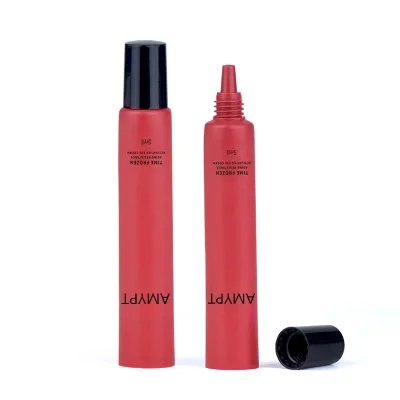
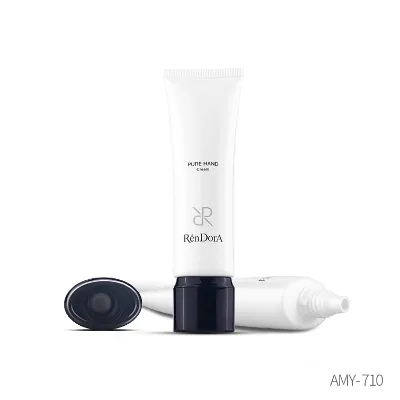
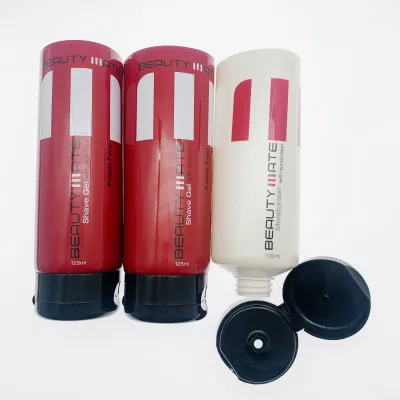
Comprehensive Sourcing Guide
Strategic Sourcing Guide for Silk Screen Printing Cosmetic Packaging Tubes
Understanding Technical Specifications and Material Composition
When sourcing silk screen printing cosmetic packaging tubes, buyers must first establish a clear understanding of the physical and material constraints that define the product. The core material for these tubes is predominantly plastic, with specific listings indicating the use of ABS and FDA-grade materials. This distinction is critical for applications involving direct contact with sensitive products such as cosmetics, medicines, food, and chemical substances. The material grade directly influences the tube's chemical resistance, barrier properties, and safety compliance, particularly when the contents include essential oils, lotions, or hand sanitizers.
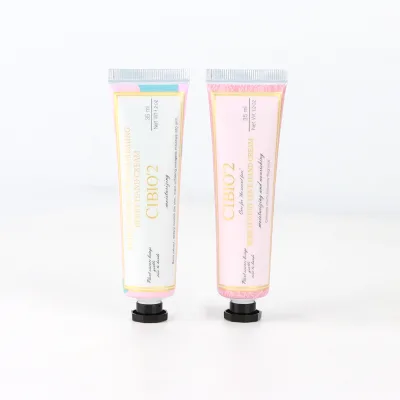
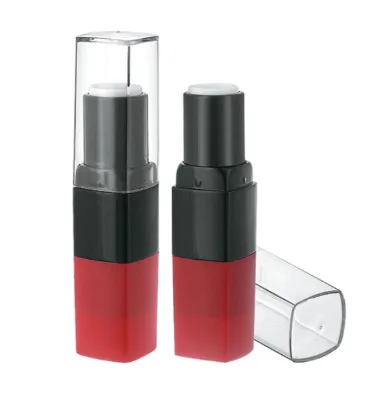
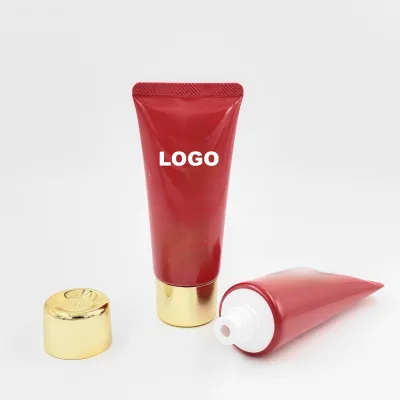
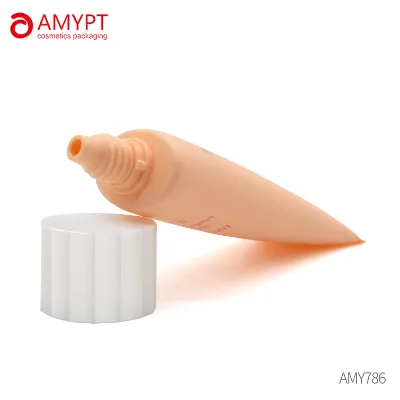
The physical dimensions of the tube are not uniform across the market. Specifications observed in the supply chain indicate a volume range spanning from 5ml up to 750ml, with specific models offering volumes between 30-60ml and 60-180ml. The diameter of the tube body is a key variable, with specific examples showing a 20mm diameter, while the body length is often adjustable to fit the specific capacity of the tube cap. The shape of the tube is predominantly round, though other forms like flat or oval may exist depending on the specific model number, such as the NB-PACK or D40 series. The head of the tube is equally diverse, ranging from high and lower profiles to pump mechanisms, tips, lipstick applicators, and flat caps. These variations dictate the user experience and the type of product dispensing required, whether it is a squeeze tube for creams or a pump system for lotions.
Compliance and Certification Verification
Navigating the regulatory landscape is a fundamental step in the procurement of cosmetic packaging. The supply data indicates that suppliers often hold ISO certifications, with some listing ISO, CE, and FSC certifications simultaneously. While ISO9001 and ISO14001 are frequently cited in general industry knowledge, buyers should verify the specific validity of these standards for each supplier rather than assuming universal compliance. The presence of FDA-grade material is a significant indicator for products intended for food, medicine, or cosmetic use, ensuring that the plastic does not leach harmful substances into the product.
Buyers must treat certification claims as observations that require validation. The FSC certification, for instance, suggests a commitment to sustainable sourcing of materials, which may be relevant for brands with environmental goals. However, the specific scope of these certifications must be confirmed against the actual production batch. For products used in the chemical or pharmaceutical sectors, additional regulatory checks beyond the standard ISO and CE marks may be necessary. The origin of the products is primarily China, with specific mentions of Zhejiang and Guangdong provinces, which are major manufacturing hubs. Buyers should request current certification documents directly from the supplier to ensure that the listed credentials are active and applicable to the specific product line being ordered.
Cost Drivers and Minimum Order Quantity Analysis
The economics of sourcing silk screen printing cosmetic tubes are heavily influenced by the Minimum Order Quantity (MOQ) and the complexity of the customization. The observed MOQ range is vast, spanning from as low as 5 units to as high as 10,000 units. This disparity suggests that the market includes both small-batch prototyping suppliers and large-scale industrial manufacturers. A specific listing indicates an MOQ of 10,000 pieces, which aligns with the selling unit being a multiple of 10,000. This high-volume requirement is typical for custom silk screen printing jobs, where the setup costs for screens and color mixing must be amortized over a large production run.
Pricing is another variable factor, with observed ranges in the market starting from $0.01 up to $0.87 per unit. These figures likely reflect the differences in material quality, volume capacity, and the extent of customization. The cost drivers include the material grade (e.g., FDA vs. standard plastic), the complexity of the printing process (single color vs. multi-color silk screen), and the packaging method. The standard packing involves inner PE bags and cartons, or trade cartons, with some options for palletized shipping. Buyers should anticipate that lower unit prices are often contingent on meeting higher volume thresholds. Additionally, the availability of free samples can reduce the initial risk for buyers, allowing them to test the print quality and material feel before committing to a large order.
Printing Processes and Surface Treatment Capabilities
Silk screen printing is a primary surface treatment method for these cosmetic tubes, but it is often offered alongside other techniques. The observed processes include offset printing, hot stamping, and silk screen printing. Some suppliers list a combination of these methods, such as "Offset Printing/ Silk Screen Printing/ Hot Stamping," indicating a versatile production capability. The specific printing handling options may also include heat transfer printing and UV printing, which offer different aesthetic and durability outcomes.
The choice of printing method impacts the visual appeal and longevity of the branding on the tube. Silk screen printing is renowned for its ability to produce vibrant, opaque colors that sit well on plastic surfaces, making it ideal for cosmetic branding. However, the process requires the creation of screens for each color, which adds to the setup time and cost. Offset printing may be preferred for high-volume, multi-color designs with fine details, while hot stamping adds a metallic or textured finish. The color options for the tubes themselves are diverse, ranging from standard white to custom colors. Buyers should evaluate the supplier's ability to match specific brand colors and ensure that the printing process used is compatible with the tube material to prevent peeling or fading over time.
Typical Applications and Product Compatibility
The versatility of silk screen printing cosmetic tubes allows them to serve a wide array of industrial uses. The primary application is in the cosmetics industry, where tubes are used for eye creams, lipsticks, essential oils, and serums. Beyond cosmetics, the observed usage data extends to the medicine, food, and chemical sectors. Specific product types mentioned include shampoo, lotion, hand sanitizer, foundation, conditioner, and body wash. This broad applicability suggests that the tubes are designed to handle various viscosities and chemical compositions.
The compatibility of the tube with the product is determined by the material grade and the closure mechanism. For instance, tubes containing essential oils or chemical substances require materials that resist degradation from solvents. The FDA-grade material mentioned in the specifications supports the use of these tubes for food and medicine applications. The head type, whether it is a pump, tip, or lipstick applicator, must be selected based on the product's dispensing requirements. A pump head is suitable for lotions and serums, while a tip or flat cap is better for creams and pastes. Buyers should ensure that the selected tube model, such as the SANL-50PE21072007 or JDN01-LS6012, is specifically rated for the intended product type to avoid leakage or contamination issues.
Supplier Evaluation and Quality Control Protocols
Evaluating suppliers for silk screen printing cosmetic tubes requires a multi-faceted approach that goes beyond price comparison. Buyers should prioritize suppliers who demonstrate transparency in their production processes and offer clear documentation of their capabilities. The availability of customization is a key indicator of a supplier's flexibility, with many listing "Customization: Available" or "Customized" as a standard attribute. This includes the ability to adjust body length, select specific head types, and apply custom printing designs.
Quality control is paramount, especially when dealing with products that will be in direct contact with consumer goods. Buyers should verify the supplier's quality assurance protocols, including how they handle defects in printing and material integrity. The observation that some suppliers offer free samples is a positive signal, as it allows for physical inspection of the print quality, color accuracy, and material feel. Additionally, the packing standards, such as the use of inner PE bags and cartons, help protect the tubes during transit. Buyers should also consider the supplier's location, with major hubs in Zhejiang and Guangdong, China, offering logistical advantages in terms of supply chain efficiency. However, the specific lead times and production capacity should be confirmed directly, as these can vary significantly based on order volume and complexity.
Long-Term Procurement Considerations and Sustainability
For long-term procurement strategies, buyers should consider the sustainability and scalability of their packaging choices. The attribute "recyclable" is listed for some products, indicating a potential pathway for eco-friendly packaging solutions. This is increasingly important for brands aiming to reduce their environmental footprint. The FSC certification, if verified, further supports sustainability claims by ensuring responsible sourcing of materials. However, buyers must balance these environmental goals with the functional requirements of the product, such as barrier properties and durability.
Scalability is another critical factor. The wide range of MOQs, from 5 to 10,000 units, suggests that the market can accommodate both startups and established brands. However, the high MOQ of 10,000 pieces for certain models may pose a challenge for smaller brands or those testing new product lines. Buyers should plan their inventory strategy carefully, considering the lead times and the potential for demand fluctuations. The ability to customize the tube design, including color and printing, allows for brand differentiation and marketing flexibility. By maintaining a strong relationship with a reliable supplier, buyers can ensure consistent quality and timely delivery, which are essential for maintaining brand reputation in the competitive cosmetic and personal care markets.
| Feature Category | Observed Options | Key Considerations for Buyers |
|---|---|---|
| Material | Plastic, ABS, FDA Grade | Verify FDA compliance for food/medicine use; check chemical resistance. |
| Volume | 5ml - 750ml (Specific: 30-60ml, 60-180ml) | Match volume to product type; ensure cap compatibility. |
| Printing | Silk Screen, Offset, Hot Stamping, UV | Confirm color matching capabilities and print durability. |
| MOQ | 5 - 10,000 units | Assess inventory needs; high MOQs may be required for custom prints. |
| Certification | ISO, CE, FSC | Request current certificates; verify scope of application. |
| Origin | China (Zhejiang, Guangdong) | Consider logistics and lead times from specific manufacturing hubs. |
| Packing | PE Bag + Carton, Pallet, Trade Carton | Ensure packaging protects against damage during shipping. |
FAQs
What certifications are available for these tubes?
Available certifications include ISO, CE, and FSC marks. Buyers should verify specific validity for each supplier rather than assuming universal compliance across all batches.
Can I customize the tube design and printing?
Customization is available for design, printing, and dimensions. Options include silk screen printing, offset printing, and hot stamping with adjustable body lengths and head types.
What materials are used for these cosmetic tubes?
The primary materials are plastic, ABS, and FDA-grade plastic. FDA-grade material ensures safety for direct contact with cosmetics, medicine, food, and chemical substances.
What is the minimum order quantity for these products?
The minimum order quantity ranges from 5 to 10,000 units depending on the supplier. Some specific models require a minimum of 10,000 pieces to amortize setup costs.
Which printing methods are supported for these tubes?
Supported methods include silk screen printing, offset printing, and hot stamping. Additional handling options may include heat transfer and UV printing for specific aesthetic outcomes.
Where are these cosmetic tubes manufactured?
Products originate from China, specifically Zhejiang and Guangdong provinces. These regions serve as major manufacturing hubs for plastic cosmetic packaging and related industrial uses.
What volume capacities are available for these tubes?
Volume capacities range from 5ml to 750ml, with specific models offering 30-60ml or 60-180ml sizes. The body length is often adjustable to fit the specific tube capacity.